On this page
Introduction
In the age of Generative AI, the algorithm is often a commodity. The real differentiator is Data. Whether you are fine-tuning a Large Language Model (LLM) or building a retrieval-based agent, the quality and freshness of your data determine your system's intelligence.
"Garbage in, garbage out" has never been more true. This guide explores the end-to-end lifecycle of preparing data for high-performance AI systems.
The Data Lifecycle
Data doesn't just appear ready for training. It moves through a rigorous pipeline of transformation. Understanding this flow is critical for any AI engineer.
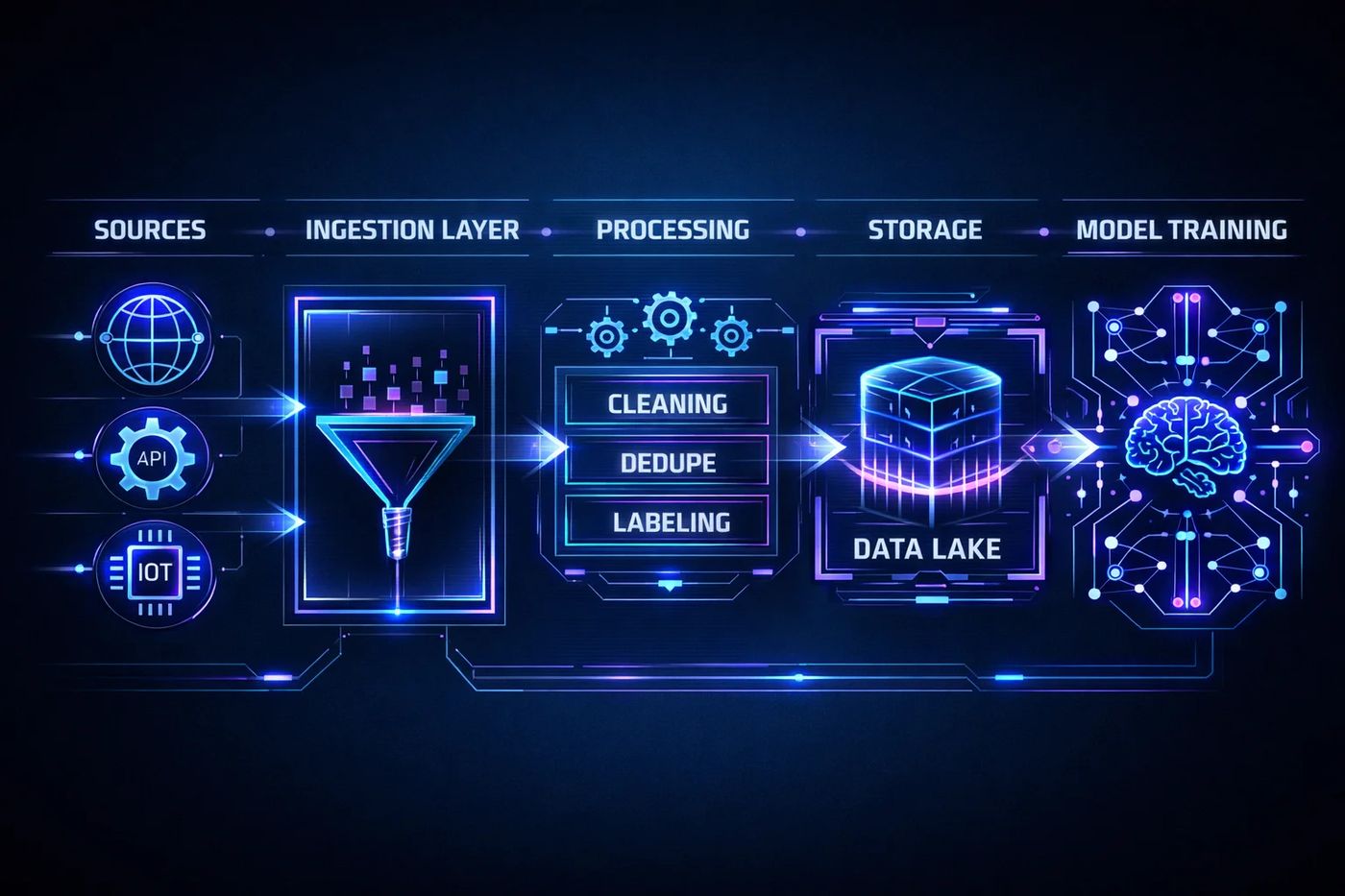
Figure 1: From Raw Collection to Model-Ready Datasets
1. Collection
Web scraping, API ingestion, and IoT sensors gather the raw material.
2. Cleaning
Deduplication, normalization, and PII removal to ensure safety and quality.
Acquisition Strategies
Where do you get the data? Most organizations rely on three main pillars:
Proprietary
Internal databases and customer logs. High value, high privacy.
Public Web
Scraped data from news, forums, and documentation. Requires robust scrapers.
Synthetic
AI-generated data to fill gaps or train for edge cases.
RAG Architecture
For modern AI agents, we often don't retrain the model. Instead, we use Retrieval Augmented Generation (RAG) to inject live data into the context window.
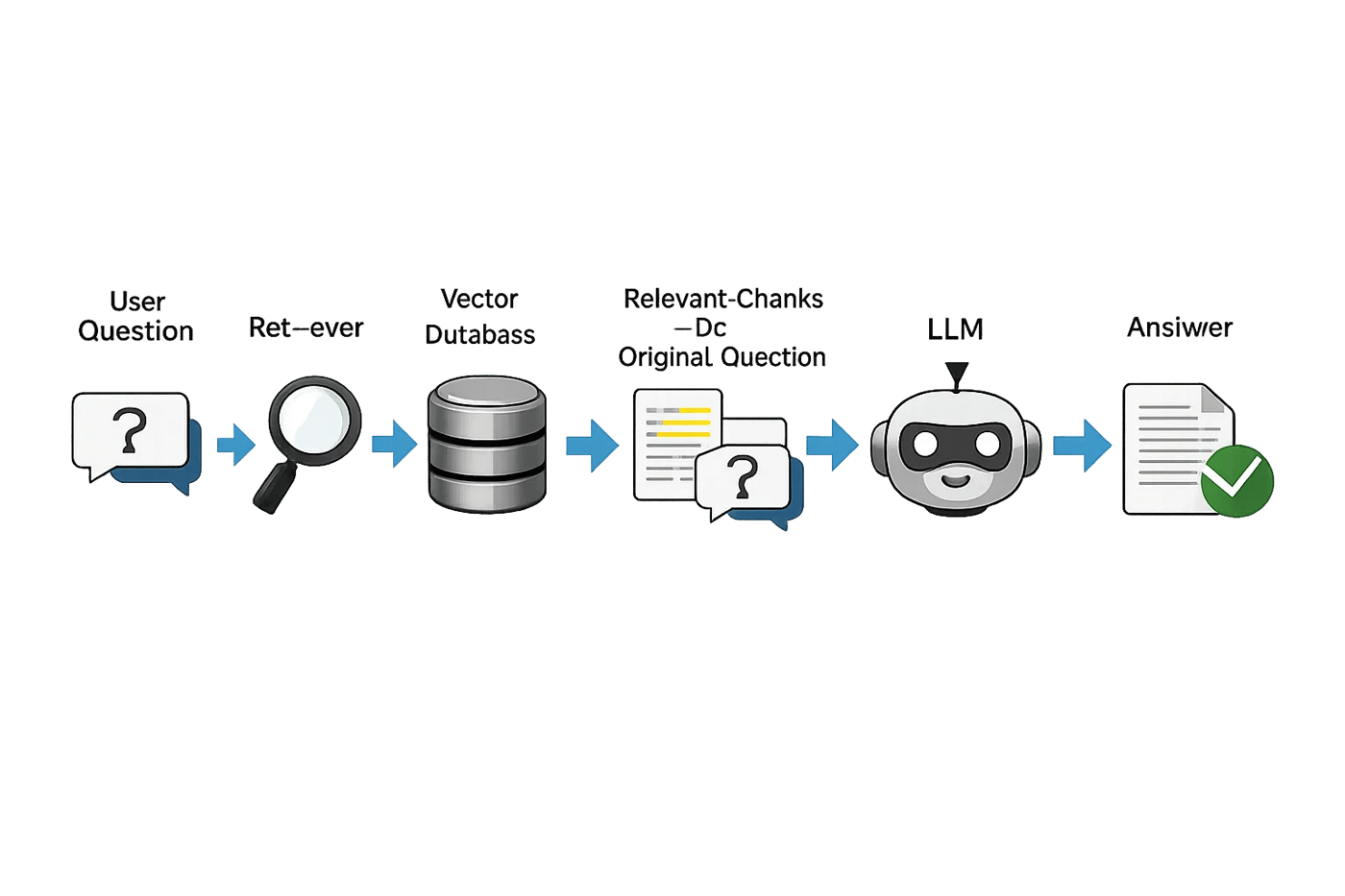
Figure 2: The dynamic flow of data in a RAG system
Why RAG matters for Data Engineers
In RAG, your data pipeline feeds a Vector Database instead of a training set. This requires "chunking strategies"—breaking text into meaningful semantic blocks—which is a crucial data engineering skill for AI.
Quality vs Quantity
The era of "just add more data" is ending. Models are saturating. The focus has shifted to Data Curation.
- Relevance: Does this data actulaly teach the specific task?
- Diversity: Does the dataset cover edge cases?
- Veracity: Is the data factually correct?
10x
Better performance from smaller, high-quality datasets compared to massive noisy ones.
Frequently asked questions
What is the biggest challenge in Data for AI?
Data preparation and cleaning usually consume 80% of the time. Unstructured data (text/images) is particularly hard to standardize compared to tabular data.
Do I need Big Data for AI?
Not always. For fine-tuning specific tasks, small but highly curated 'Gold Standard' datasets often outperform generic massive scrapes.
What tools help with Data pipelines?
Tools like Airflow for orchestration, dbt for transformation, and vector databases like Pinecone or Weaviate are essential in the modern AI stack.


 MD Kawsar· October 4, 2026 · 10 min read